The Era of the $0 Tax Stamp: What the Fee Elimination Means for SIG SAUER Owners
For nearly a century, the National Firearms Act (NFA) has imposed a financial barrier on some of the most effective tools in the firearms world. For decades, the "$200 tax" has been a hurdle that separated many enthusiasts from the dream configuration of their platforms.
As of January 1, 2026, that barrier has fallen. The elimination of the federal tax stamp fee is a historic shift in the landscape of American gun ownership. For SIG SAUER customers—who utilize the most modular and suppression-ready platforms on the market—this news changes everything.
Here is your definitive guide to the new regulations, how they affect your wallet, and why it is arguably the best time in history to upgrade your loadout.
What happened to the federal tax stamp fee for suppressors and short-barreled rifles?
Effective January 1, 2026, the federal tax stamp fee for National Firearms Act (NFA) items, including suppressors and short-barreled rifles (SBRs), has been reduced from $200 to $0. While the monetary fee has been eliminated, the legal requirement to register these items by filing an ATF Form 1 or Form 4, submitting fingerprints, and passing a background check remains fully in effect.


The Breakdown: Fees are Gone, Forms Remain
It is critical to distinguish between the cost and the process. The NFA has not been repealed; the financial penalty for compliance has simply been zeroed out. This distinction is vital for staying on the right side of the law while maximizing your savings.
The "Tax Stamp" was originally implemented in 1934 as a prohibitively expensive tax to discourage ownership. Over time, inflation eroded the financial sting of $200, but it remained a significant friction point—often doubling the cost of entry-level NFA items or adding 20-30% to the cost of a high-end suppressor.
Here is what remains unchanged:
- Registration: You must still register the item with the Bureau of Alcohol, Tobacco, Firearms and Explosives (ATF).
- Background Checks: The standard NFA background check process applies.
- Wait Times: You must wait for approval before taking possession of a suppressor or assembling an SBR.
- Engraving: You still must have your lower assembly engraved with your name, city and state as well as the rifle's caliber.

Why This Matters for SIG SAUER Enthusiasts
While this benefits the entire industry, it disproportionately benefits the SIG ecosystem. Our engineering philosophy centers on modularity and system integration—features that often straddle the line between standard rifles and NFA configurations.
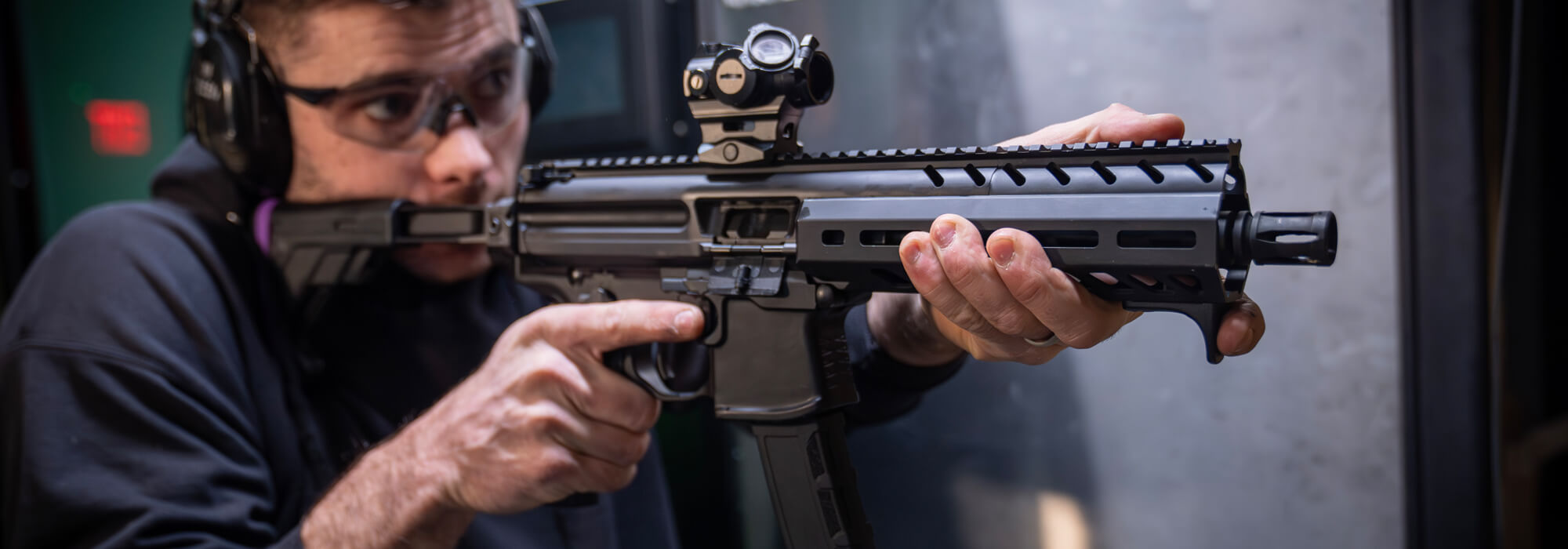
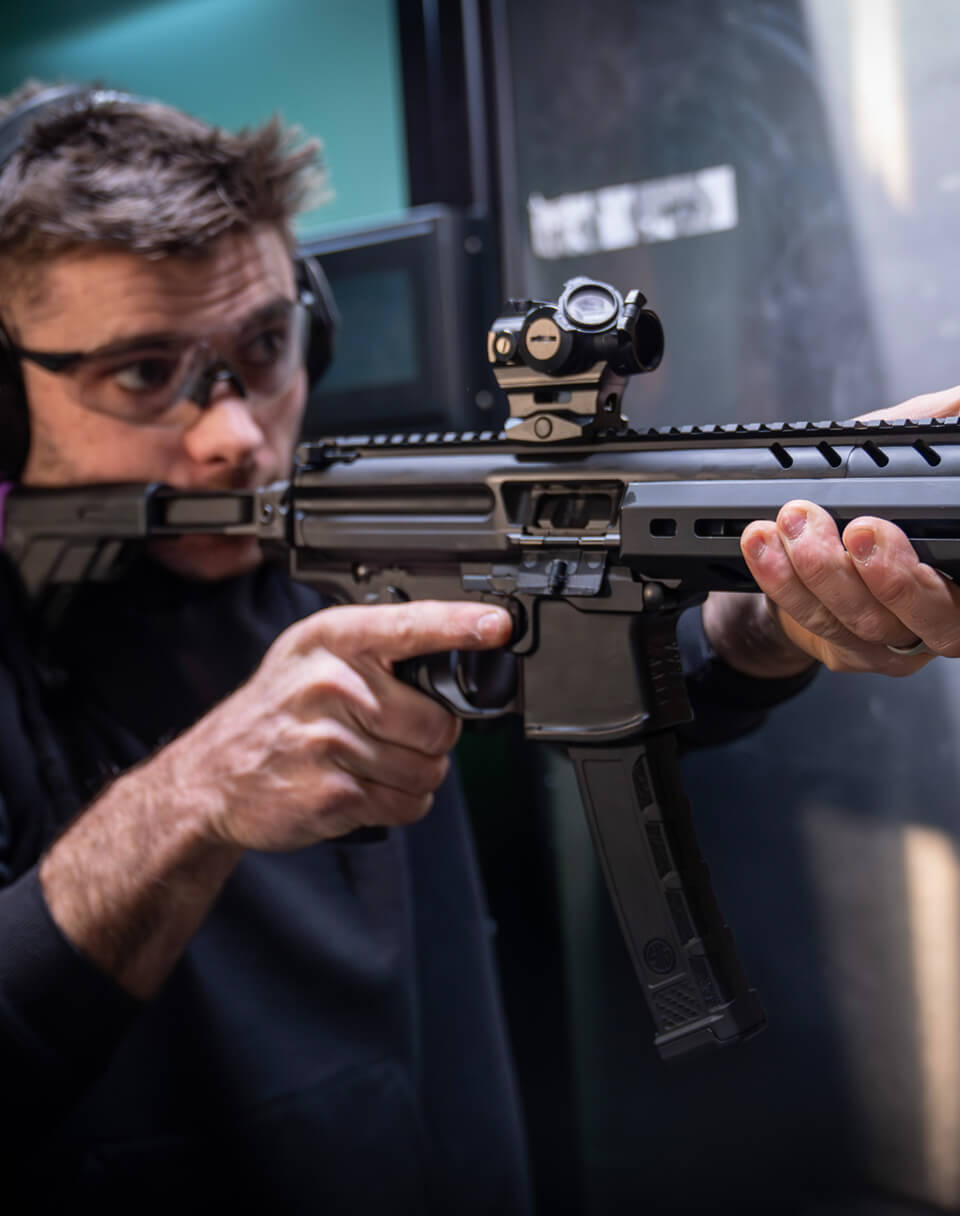
The Unleashing of the MCX and MPX: The SIG SAUER MCX and MPX platforms were born to be short and/or suppressed. The MCX-RATTLER and the MPX-COPPERHEAD are engineering marvels in their compact forms. Previously, adding a stock to these pistols required a $200 tax stamp fee to legally convert them into short-barreled rifles (SBRs). Now, that conversion cost is $0. Also, the MCX and MPX platforms were designed to be suppressed with variable gas systems but also to run optimally in many variations of barrel lengths, suppressed or not suppressed, giving them a distinct advantage over a traditional direct impingment firearm (AR-15).
You can now maximize the stability and shootability of your PDW (Personal Defense Weapon) by filing a Form 1, waiting for your approval, and then purchasing and configuring a factory folding or collapsing stock without the government surcharge. Also, current owners of 16" rifles can now more economically convert those rifles into SBRs by purchasing upper assemblies. View all avaliable MCX and M400 SBR upper assemblies here.
The Benefits of a Short-Barreled Rifle: Owning a short-barreled rifle offers a distinct tactical advantage, primarily by maximizing the "performance-per-inch" ratio of the firearm. By legally registering a rifle with a barrel length under 16 inches, you gain a platform that is significantly optimized for dynamic environments. A standard 16-inch rifle can be cumbersome when turning corners or moving through doorways. An SBR (commonly with 9" to 11.5" barrels) reduces the distance the muzzle extends from your body. This makes it far less likely you will inadvertently bump a doorframe or wall, which can give away your position or throw off your aim. If you need to deploy a firearm from inside a vehicle, a standard rifle can be difficult to manipulate around a steering wheel or dashboard. An SBR offers the compactness of a submachine gun with the ballistics of a rifle, allowing for easy movement in tight cabins. It is also easier to secure in a vehicle and can easily fit into a standard nondescript hiking backpack or laptop bag.
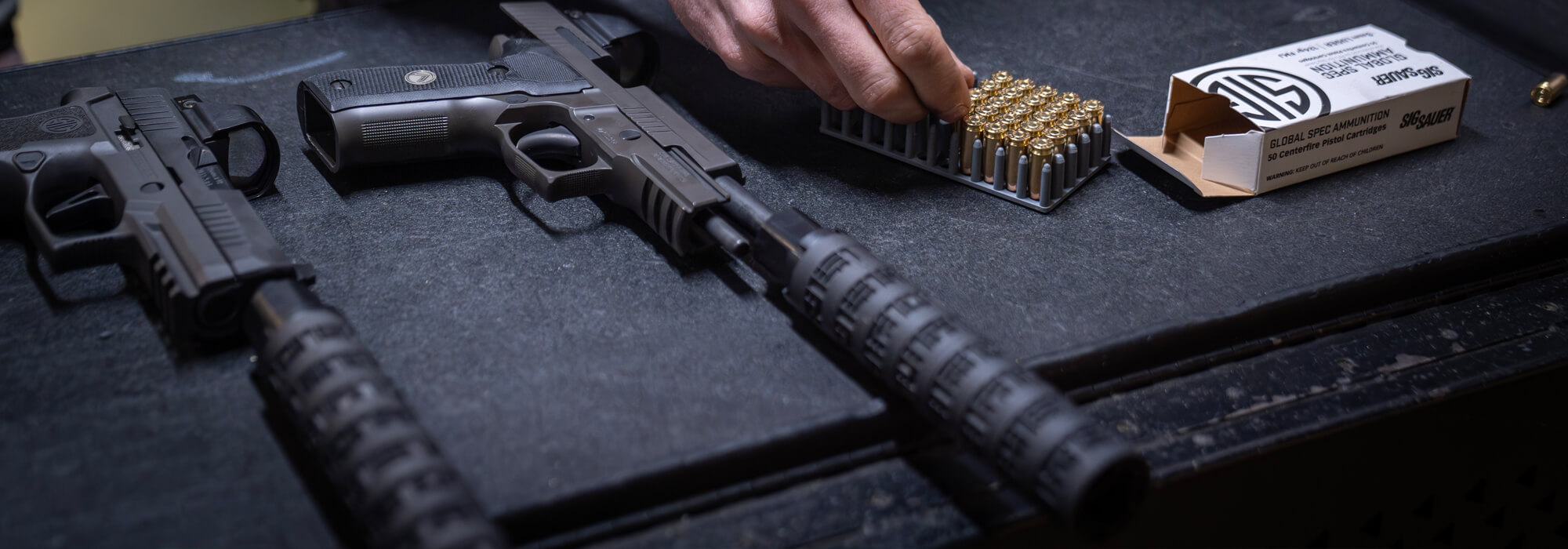
Suppressors are Finally "Hearing Safe" for Your Wallet: The elimination of the tax stamp fee fundamentally alters the economics of suppressors. When buying a durable, 3D-printed Inconel or titanium suppressor, the tax stamp used to be a "hidden" shipping and handling fee that added nothing to the product's performance.
Now, the price on the tag is the price of the performance. This makes dedicating a specific suppressor to a specific firearm—rather than swapping one hot can between three guns—a much more realistic strategy for the average shooter.
The Return of the "Two-Stamp" Gun: The "Two-Stamp" gun (a Short Barreled Rifle equipped with a Suppressor) is the holy grail of tactical setups. It offers the shortest overall length with the safest hearing protection.
- Old Reality: A Two-Stamp setup required $400 in tax fees alone ($200 for the SBR + $200 for the Suppressor).
- New Reality: The government fee is $0.
Key Economic Implications for Your Loadout:
- Reallocation of Capital: The $200 saved per NFA item effectively covers the cost of a high-quality optic mount, a weapon-mounted light, or approximately 300-400 rounds of premium defensive ammunition.
- Inventory Velocity: With the financial friction removed, building a specific tool for a specific job (e.g., a suppressed 300BLK Rattler for home defense) is no longer financially punished by federal policy.
The elimination of the $200 tax stamp fee is a win for the Second Amendment, a win for hearing safety, and a massive win for the SIG SAUER community. The barrier to owning the most effective, modern versions of our firearms—suppressors and short-barreled rifles—has never been lower.
Compare Products
Items